In times of increasing populism reliable information plays a vital role in well-informed policy-making based on evidence and not only on emotions and values, let alone disinformation and fake news. The popular legitimacy of any system, therefore, depends on its capacity to deliver good and targeted outcomes based on transparent evidence. These outcomes need to be rooted in reliable data in order to make decisions understandable, assessable and sustainable.
In this project we are developing Internet of Things (IoT) enabled DataBank that shall allow for evidence based policy making. Evidence-based policy helps people to make well-informed decisions about policies, programmes and projects, by placing the best available evidence from research at the heart of policy development and implementation.
The biggest challenge for evidence based policy making is lack of relevant data that is sufficiently granular to identify and measure regulatory effects. And once we do get all that data, the next step is to process it for policy making. Our solution is to get the data using Internet of Things (IoT) sensor and devices. AI applications involving high-value assets require human-like understanding of complex domains that can adapt to uncertainty in both knowledge and data, supporting answers with human-understandable audit trials. This requires the integration of different learning and adaptation techniques to overcome limitations of individual technologies and achieve synergetic effects through hybridization of symbolic and numeric technologies. The key to cognitive AI is to build an initial set of models and propose hypothetical extensions. We will work on cognitive AI systems that have the unique capability to look for guidance from encoded human expert knowledge combined with historical and external data. Our AI algorithms will utilize a unique hybrid procedure, combining the best of conventional numeric AI approaches and advanced symbolic AI techniques to deliver cognitive reasoning and intelligence that emulates human intuition. The hybrid of conventional numeric AI (machine learning, neural networks, and deep learning) plus advanced symbolic AI techniques will enable the policy makers for designing their strategies regarding healthcare, energy, and climate protection.
Initially our iam is to allow for pilicy making across three domains
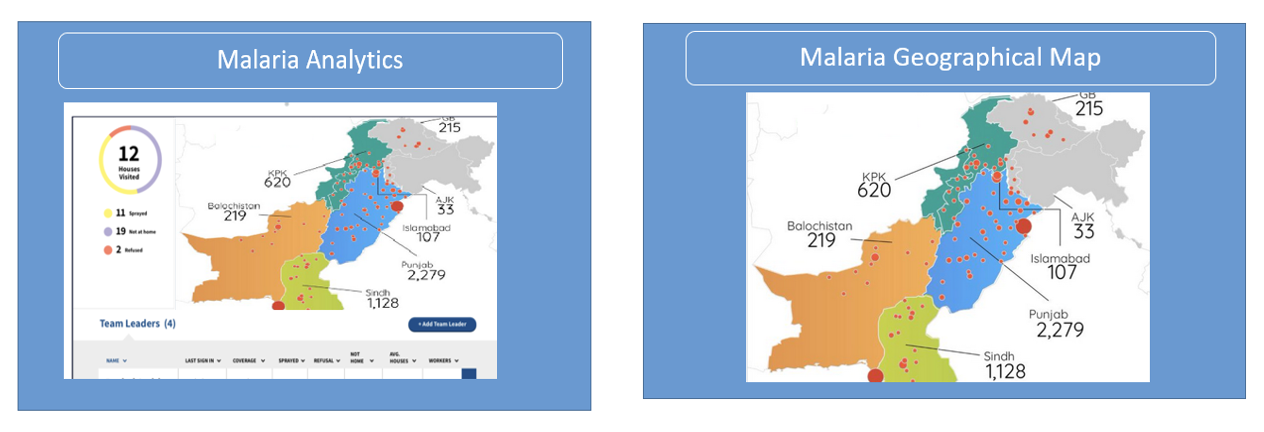
- HealthCare: The idea is that critical data will be collected by IoT sensors embedded with the disease test kits in the Lab and other components in different hospitals of Pakistan in different cities. These IoT devices will transmit this data to the databank.
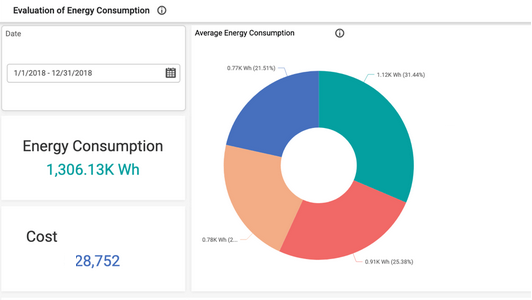
- Energy: This research endeavour proposes an innovative idea of energy conservation through IoT’s with microcontrollers which would use sensors/actuators. A complete trend of energy needs of Pakistan based on different sectors including residential and commercial across different cities will be generated.
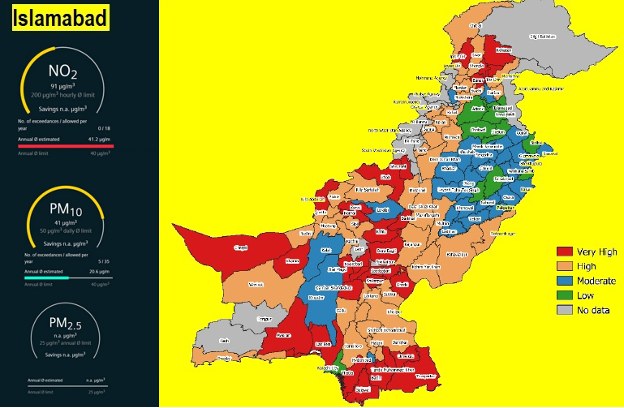
- Climate: The goal is to develop and deploy IoT sensors for measuring carbon monoxide (CO), lead (Pb), particulate matter (PM), temperature, humidity, pressure, nitric oxide (NO), nitric dioxide (NO2), ozone (O3) at different cities of Pakistan to get an overall trend of climate change in the country.
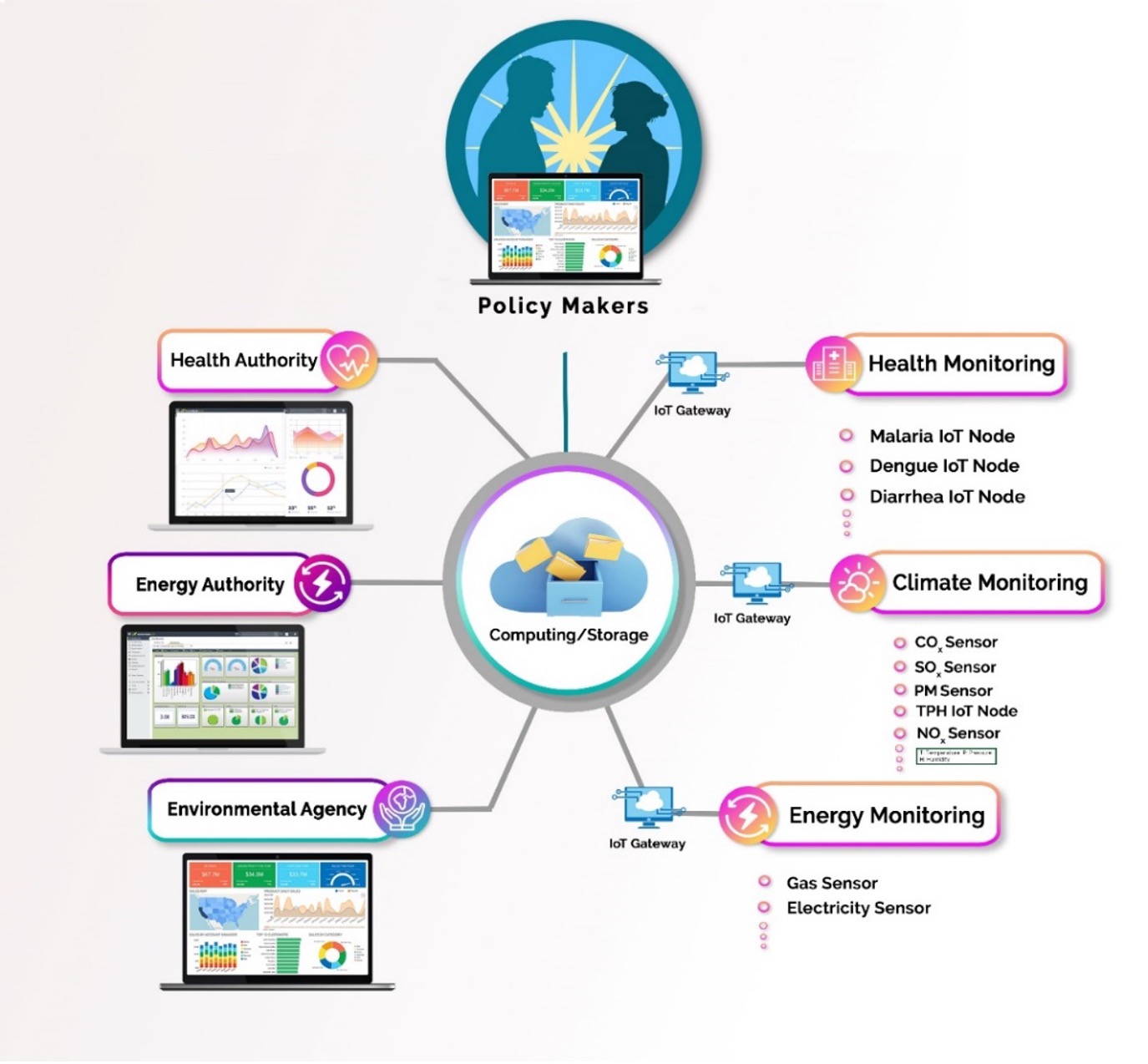
Figure 1: Architectural view of the IoT based Databank
 Knowledge and Data Science Research Centre (KDRC)
You must be logged in to post a comment.